Who was -
Cephas -
Peter was the oldest of Jesus' twelve disciples. He was also called Simon Peter (2 Peter 1:1), Simeon (Acts 15:14), Simon Bar-jona (Matthew 16:17) or just Simon (Matthew 10:2). The Greek translation for Peter is Petros (meaning rock), the Aramaic is Cephas (John 1:42), and the Latin is Petrus. Peter was born in Bethsaida (John 1:44) on the northern coast of the Sea of Galilee. His father was Jona, also called Jonah or Jonas, (Matthew 16:17; 21:15-17) and his younger brother was the disciple Andrew (John 1:40). Peter was a simple fisherman in Capernaum (Matthew 4:18; Mark 1:16) and partners with James and John (Luke 5:10) when he met Jesus. Bold but uneducated (Acts 4:13), Peter (along with Andrew)
became the first disciple (Matthew 4:18-20; Mark 1:16-18) and part of Jesus' inner circle. Whenever Jesus was in Galilee, He used Peter's home as His base. Peter wrote the First and Second Epistles of Peter (1 Peter 1:1; 2 Peter 1:1), walked on water (Matthew 14:28-31), performed the miracle at the Beautiful Gate (Acts 3:1-10), witnessed the Transfiguration of Jesus (Matthew 17:1-9; Mark 9:1-13; Luke 9:28-36; 2 Peter 1:16-18), the resurrection of Jairus' daughter (Mark 5:37-42), and Jesus praying in Gethsemane as He waited to be arrested (Mark 14:32-34). Peter rose up before the mob to resist Jesus' arrest (John 18:10-13) yet within hours denied even knowing Him three times (Matthew 26:69-75). After the crucifixion, Peter became the rock on which Jesus built His church (Matthew 16:16-19) and helped spread the Gospel from Jerusalem to Rome. Whenever the Bible lists the twelve disciples/apostles, Peter is always listed first (Matthew 10:2-4; Mark 3:16-19) and Roman Catholics call him their first Pope. Peter was married (Matthew 8:14; Mark 1:30; Luke 4:38) and brought his wife on his missionary journeys (1 Corinthians 9:5). Although Jesus told Peter he would be crucified when he "shalt be old" (John 21:18-19), the Bible gives no details of his death. However, the Christian writers Quintus Septimius Florens Tertullianus (AD 160-220) and Origen Adamantius (AD 185-254) report that Peter was crucified
upside down by Emperor Nero in Rome about AD 70, approximately three years after writing 2 Peter.
Andrew -
A follower of John the Baptist. We learn in this passage that he was one of the original twelve disciples. From Bethsaida, Andrew was Jonas's son and a fisherman with his older brother Peter when they were called by Jesus to become the first
disciples. It is said that Andrew was crucified in Achaia for refusing to worship pagan gods.
Philip -
From Bethsaida in Galilee (John 1:44; 12:21), Philip was the fourth of the original twelve disciples (John 1:40-43). He
immediately brought Bartholomew (also called Nathanael), the fifth disciple, to meet Jesus (John 1:45-46). We see Jesus test Philip in John 6:5-6 and gently chastise him for his lack of faith in John 14:7-9. "Certain Greeks," asked Philip to introduce them to Jesus (John 12:20-23). After the crucifixion, it is believed that Philip was sent north to Phrygia in Central Asia Minor to spread the Gospel and that he died at Hieropolis in Syria. Not to be confused with Philip, the evangelist.
Nathanael -
From Cana in Galilee (John 21:2), Nathanael was born into a Jewish family and was the fifth of the original twelve disciples. Jesus described him as being without "guile" (1:45-50). Very little is known of Nathanael. He is only seen here, as he is being recruited by Jesus, and a second time when the resurrected Messiah appears to him and six other followers.

Cephas -
Peter was the oldest of Jesus' twelve disciples. He was also called Simon Peter (2 Peter 1:1), Simeon (Acts 15:14), Simon Bar-jona (Matthew 16:17) or just Simon (Matthew 10:2). The Greek translation for Peter is Petros (meaning rock), the Aramaic is Cephas (John 1:42), and the Latin is Petrus. Peter was born in Bethsaida (John 1:44) on the northern coast of the Sea of Galilee. His father was Jona, also called Jonah or Jonas, (Matthew 16:17; 21:15-17) and his younger brother was the disciple Andrew (John 1:40). Peter was a simple fisherman in Capernaum (Matthew 4:18; Mark 1:16) and partners with James and John (Luke 5:10) when he met Jesus. Bold but uneducated (Acts 4:13), Peter (along with Andrew)
became the first disciple (Matthew 4:18-20; Mark 1:16-18) and part of Jesus' inner circle. Whenever Jesus was in Galilee, He used Peter's home as His base. Peter wrote the First and Second Epistles of Peter (1 Peter 1:1; 2 Peter 1:1), walked on water (Matthew 14:28-31), performed the miracle at the Beautiful Gate (Acts 3:1-10), witnessed the Transfiguration of Jesus (Matthew 17:1-9; Mark 9:1-13; Luke 9:28-36; 2 Peter 1:16-18), the resurrection of Jairus' daughter (Mark 5:37-42), and Jesus praying in Gethsemane as He waited to be arrested (Mark 14:32-34). Peter rose up before the mob to resist Jesus' arrest (John 18:10-13) yet within hours denied even knowing Him three times (Matthew 26:69-75). After the crucifixion, Peter became the rock on which Jesus built His church (Matthew 16:16-19) and helped spread the Gospel from Jerusalem to Rome. Whenever the Bible lists the twelve disciples/apostles, Peter is always listed first (Matthew 10:2-4; Mark 3:16-19) and Roman Catholics call him their first Pope. Peter was married (Matthew 8:14; Mark 1:30; Luke 4:38) and brought his wife on his missionary journeys (1 Corinthians 9:5). Although Jesus told Peter he would be crucified when he "shalt be old" (John 21:18-19), the Bible gives no details of his death. However, the Christian writers Quintus Septimius Florens Tertullianus (AD 160-220) and Origen Adamantius (AD 185-254) report that Peter was crucified
upside down by Emperor Nero in Rome about AD 70, approximately three years after writing 2 Peter.
Andrew -
A follower of John the Baptist. We learn in this passage that he was one of the original twelve disciples. From Bethsaida, Andrew was Jonas's son and a fisherman with his older brother Peter when they were called by Jesus to become the first
disciples. It is said that Andrew was crucified in Achaia for refusing to worship pagan gods.
Philip -
From Bethsaida in Galilee (John 1:44; 12:21), Philip was the fourth of the original twelve disciples (John 1:40-43). He
immediately brought Bartholomew (also called Nathanael), the fifth disciple, to meet Jesus (John 1:45-46). We see Jesus test Philip in John 6:5-6 and gently chastise him for his lack of faith in John 14:7-9. "Certain Greeks," asked Philip to introduce them to Jesus (John 12:20-23). After the crucifixion, it is believed that Philip was sent north to Phrygia in Central Asia Minor to spread the Gospel and that he died at Hieropolis in Syria. Not to be confused with Philip, the evangelist.
Nathanael -
From Cana in Galilee (John 21:2), Nathanael was born into a Jewish family and was the fifth of the original twelve disciples. Jesus described him as being without "guile" (1:45-50). Very little is known of Nathanael. He is only seen here, as he is being recruited by Jesus, and a second time when the resurrected Messiah appears to him and six other followers.

The Gospel According to St. John
The King James Bible
|
John 1:35-51
Gathering disciples 35 Again the next day after John stood, and two of his disciples; 36 And looking upon Jesus as he walked, he saith, Behold the Lamb of God! 37 And the two disciples heard him speak, and they followed Jesus. 38 Then Jesus turned, and saw them following, and saith unto them, What seek ye? They said unto him, Rabbi, (which is to say, being interpreted, Master,) where dwellest thou? 39 He saith unto them, Come and see. They came and saw where he dwelt, and abode with him that day: for it was about the tenth hour. 40 One of the two which heard John speak, and followed him, was Andrew, Simon Peter's brother. 41 He first findeth his own brother Simon, and saith unto him, We have found the Messias, which is, being interpreted, the Christ. 42 And he brought him to Jesus. And when Jesus beheld him, he said, Thou art Simon the son of Jona: thou shalt be called Cephas, which is by interpretation, A stone. 43 The day following Jesus would go forth into Galilee, and findeth Philip, and saith unto him, Follow me. 44 Now Philip was of Bethsaida, the city of Andrew and Peter. 45 Philip findeth Nathanael, and saith unto him, We have found him, of whom Moses in the law, and the prophets, did write, Jesus of Nazareth, the son of Joseph. 46 And Nathanael said unto him, Can there any good thing come out of Nazareth? Philip saith unto him, Come and see. 47 Jesus saw Nathanael coming to him, and saith of him, Behold an Israelite indeed, in whom is no guile! 48 Nathanael saith unto him, Whence knowest thou me? Jesus answered and said unto him, Before that Philip called thee, when thou wast under the fig tree, I saw thee. 49 Nathanael answered and saith unto him, Rabbi, thou art the Son of God; thou art the King of Israel. 50 Jesus answered and said unto him, Because I said unto thee, I saw thee under the fig tree, believest thou? thou shalt see greater things than these. 51 And he saith unto him, Verily, verily, I say unto you, Hereafter ye shall see heaven open, and the angels of God ascending and descending upon the Son of man. |
Margin notes:
"The next day after John stood, and two of his disciples." (1:35) - "The next day John (the Baptist) was standing with two of his disciples." Andrew was one of the disciples (1:40). Many Bible scholars believe the second was John, the author of this Gospel. "Behold the Lamb of God!" (1:36) - Jewish priests sacrificed unblemished lambs for the forgiveness of sins. Jesus is God's Lamb, sacrificed on the cross. "Abode with him that day." (1:39) - "Stayed with Him that day." "It was about the tenth hour." (1:39) - "It was about four P.M." "Followed him." (1:40) - "Followed Jesus." "We have found the Messias." (1:41) - "We have found Christ, the Anointed One, the Messiah." "Thou art Simon the son of Jona." (1:42) - "You are Simon, the son of John." Jesus knew who Peter was and everything about him. "The day following Jesus would go forth into Galilee." (1:43) - "The following day Jesus decided to go to Galilee." "Bethsaida." (1:44) - A small town in Galilee located on the north-east shore of the Sea of Galilee six miles east of Capernaum. It was the hometown of three disciples, Peter, Philip, and Andrew (John 1:44). Jesus visited Bethsaida often and performed many miracles there (Mark 8:22-25). While teaching near Bethsaida Jesus miraculously fed five thousand people with just five loaves of bread and two fish (Matthew 14:15-21; Mark 6:35-44; Luke 9:10-17; John 6:5-13). Lost for almost two thousand years, archaeologists located Bethsaida's ruins in 1987. "We have found him, of whom Moses in the law, and the prophets, did write." (1:45) - See Deuteronomy 18:15; Isaiah 7:14; 11:1-20; Ezekiel 34:23-34; and Micah 5:2 to read a small sample of what the prophets prophesized and wrote. "Can there any good thing come out of Nazareth?" (1:46) - People from Nazareth were looked down upon as second class citizens. "Behold an Israelite indeed, in whom is no guile!" (1:47) - Jesus knew all about Nathanael. He also knows all about us. "Whence knowest thou me?" (1:48) - "How do you know me." "Verily." (1:51) - "Truly." "The Son of man." (1:51) - Another name for Jesus, also used in Daniel 7:13-14 and Ezekiel 4:1. |
For more information on how Jesus recruited Peter and Andrew, read Matthew 4:18-20; Mark 1:16-18; and for the most detailed account, Luke 5:1-9.
New Living Translation
John 1:35-51
The First Disciples
35 The following day John was again standing with two of his disciples.
36 As Jesus walked by, John looked at him and declared, "Look! There is the Lamb of God!"
37 When John's two disciples heard this, they followed Jesus.
38 Jesus looked around and saw them following. "What do you want?" he asked them.
They replied, "Rabbi" (which means "Teacher"), "where are you staying?"
39 "Come and see," he said. It was about four o'clock in the afternoon when they went with him to the place where he was staying, and they remained with him the rest of the day.
40 Andrew, Simon Peter's brother, was one of these men who heard what John said and then followed Jesus.
41 Andrew went to find his brother, Simon, and told him, "We have found the Messiah" (which means "Christ").
42 Then Andrew brought Simon to meet Jesus. Looking intently at Simon, Jesus said, "Your name is Simon, son of John-but you will be called Cephas" (which means "Peter").
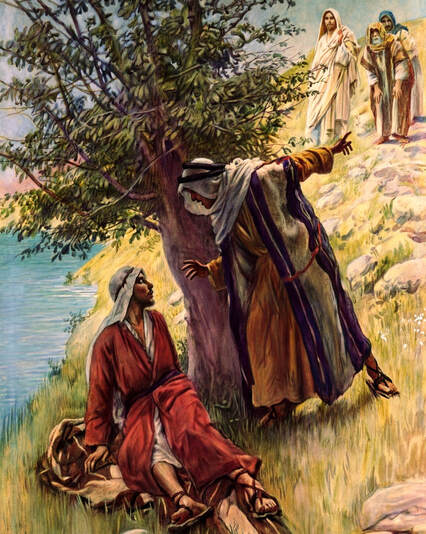
43 The next day Jesus decided to go to Galilee. He found Philip and said to him, "Come, follow me."
44 Philip was from Bethsaida, Andrew and Peter's hometown.
45 Philip went to look for Nathanael and told him, "We have found the very person Moses and the prophets wrote about! His name is Jesus, the son of Joseph from Nazareth."
46 "Nazareth!" exclaimed Nathanael. "Can anything good come from Nazareth?"
"Come and see for yourself," Philip replied.
47 As they approached, Jesus said, "Now here is a genuine son of Israel-a man of complete integrity."
48 "How do you know about me?" Nathanael asked.
Jesus replied, "I could see you under the fig tree before Philip found you."
49 Then Nathanael exclaimed, "Rabbi, you are the Son of God-the King of Israel!"
50 Jesus asked him, "Do you believe this just because I told you I had seen you under the fig tree? You will see greater things than this."
51 Then he said, "I tell you the truth, you will all see heaven open and the angels of God going up and down on the Son of Man, the one who is the stairway between heaven and earth."
This second Bible text from the "New Living Translation" (Tyndale House, Publishers, Wheaton, Illinois) is a paraphrase and not an accurate word for word translation of the Bible. However, it is a helpful tool when read with the "King James Version."
The First Disciples
35 The following day John was again standing with two of his disciples.
36 As Jesus walked by, John looked at him and declared, "Look! There is the Lamb of God!"
37 When John's two disciples heard this, they followed Jesus.
38 Jesus looked around and saw them following. "What do you want?" he asked them.
They replied, "Rabbi" (which means "Teacher"), "where are you staying?"
39 "Come and see," he said. It was about four o'clock in the afternoon when they went with him to the place where he was staying, and they remained with him the rest of the day.
40 Andrew, Simon Peter's brother, was one of these men who heard what John said and then followed Jesus.
41 Andrew went to find his brother, Simon, and told him, "We have found the Messiah" (which means "Christ").
42 Then Andrew brought Simon to meet Jesus. Looking intently at Simon, Jesus said, "Your name is Simon, son of John-but you will be called Cephas" (which means "Peter").
43 The next day Jesus decided to go to Galilee. He found Philip and said to him, "Come, follow me."
44 Philip was from Bethsaida, Andrew and Peter's hometown.
45 Philip went to look for Nathanael and told him, "We have found the very person Moses and the prophets wrote about! His name is Jesus, the son of Joseph from Nazareth."
46 "Nazareth!" exclaimed Nathanael. "Can anything good come from Nazareth?"
"Come and see for yourself," Philip replied.
47 As they approached, Jesus said, "Now here is a genuine son of Israel-a man of complete integrity."
48 "How do you know about me?" Nathanael asked.
Jesus replied, "I could see you under the fig tree before Philip found you."
49 Then Nathanael exclaimed, "Rabbi, you are the Son of God-the King of Israel!"
50 Jesus asked him, "Do you believe this just because I told you I had seen you under the fig tree? You will see greater things than this."
51 Then he said, "I tell you the truth, you will all see heaven open and the angels of God going up and down on the Son of Man, the one who is the stairway between heaven and earth."
This second Bible text from the "New Living Translation" (Tyndale House, Publishers, Wheaton, Illinois) is a paraphrase and not an accurate word for word translation of the Bible. However, it is a helpful tool when read with the "King James Version."
Key verses from this passage
"Again the next day after John stood, and two of his disciples; And looking upon Jesus as he walked, he saith, Behold the Lamb of God! And the two disciples heard him speak, and they followed Jesus." (1:35-37)
"He first findeth his own brother Simon, and saith unto him, We have found the Messias, which is, being interpreted, the Christ.
And he brought him to Jesus. And when Jesus beheld him, he said, Thou art Simon the son of Jona: thou shalt be called Cephas, which is by interpretation, A stone." (1:41-42)
"The day following Jesus would go forth into Galilee, and findeth Philip, and saith unto him, Follow me." (1:43)
"Philip findeth Nathanael, and saith unto him, We have found him, of whom Moses in the law, and the prophets, did write, Jesus of Nazareth, the son of Joseph." (1:45)
"He first findeth his own brother Simon, and saith unto him, We have found the Messias, which is, being interpreted, the Christ.
And he brought him to Jesus. And when Jesus beheld him, he said, Thou art Simon the son of Jona: thou shalt be called Cephas, which is by interpretation, A stone." (1:41-42)
"The day following Jesus would go forth into Galilee, and findeth Philip, and saith unto him, Follow me." (1:43)
"Philip findeth Nathanael, and saith unto him, We have found him, of whom Moses in the law, and the prophets, did write, Jesus of Nazareth, the son of Joseph." (1:45)
Today's Question:
1. What is meant by "angels of God ascending and descending"? (1:51)
Make God a part of your life by studying His word each day. Your Bible has more to teach than this course can cover.
1. What is meant by "angels of God ascending and descending"? (1:51)
Make God a part of your life by studying His word each day. Your Bible has more to teach than this course can cover.
Answer: (Do you agree?)
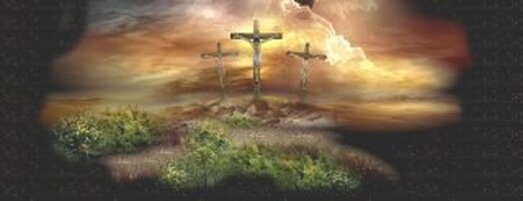
1. The "angels of God ascending and descending" refers to a line of communication between heaven and earth with Christ as the intermediary. Just as described in Jacob's dream (Genesis 28:10-12), the crucified Jesus is the "ladder" that leads to heaven.
Application thought for the day:
Jesus asked the two men following Him, "What seek ye?" (1:38)
What is it that you are seeking? Is it Jesus Christ?
The two "abode with Him that day." (1:39)
"That is about all some of us ever do, then we wake up to actualities, self-interest arises and the abiding is passed."
(From "My utmost for His Highest" by Oswald Chambers Published by Barbour publishing, Inc., Uhrichsville, Ohio)
Free inductive Bible study since 2007.
Thanks to your prayers and faithful giving,
unbelievers are coming to know Jesus.
Please help us again!
Thanks to your prayers and faithful giving,
unbelievers are coming to know Jesus.
Please help us again!
Visit us on social media below
Explore hundreds of our original postings.
Thanks to the writings and commentary of John Wesley and Adam Clarke. Also, "The Layman's Bible Study Notebook" by Irving Jensen published by Harvest House Publishing, Irvine, California; the "Life Change Series" published by NavPress Books, Colorado Springs, Colorado; the "Life Application Study Bible" published by Tyndale House Publishing, Carol Stream, Illinois; "The Quest Study Bible" published by The Zondervan Corporation, Grand Rapids, Michigan; "Robertson's New Testament Word Studies"; "The MacArthur Bible Commentary" by John MacArthur published by Thomas Nelson, Nashville, Tennessee; "Wisdom of the Bible" CD by Topics Entertainment, Inc., Renton, Washington for their inspiring pictures; "My utmost for His Highest" by Oswald Chambers published by Barbour Publishing, Inc., Uhrichsville, Ohio; The "Treasury of Scriptural Knowledge" by Reuben Archer Torrey; "Hope For Each Day" by Billy Graham published by J. Countryman, a division of Thomas Nelson, Inc., Nashville, Tennessee; "Easton's Bible Dictionary" by Matthew George Easton; "Unger's Bible Dictionary" by Merrill F. Unger, published by Moody Press, Chicago, Illinois; "Halley's Bible Handbook" by Henry H. Halley, Zondervan Publishing House, Grand Rapids, Michigan; "The Living New Testament" published by Tyndale house; "The New Living Translation" published by Tyndale House; BibleGateway.com for all their wonderful links; and of course the "King James Bible". All were critical in putting these lessons together.
© 2026 evolke
© 2026 evolke